
Dr. Hiralal Chaudhari - Prostate Cancer Treatment in Aundh, Pune
Prostate: TURP LASER &TUIP, Endoscopic Removal of Prostate
Transurethral resection of the prostate (TURP) is the surgical removal of part of the prostate gland. It is one option available to relieve the symptoms of an enlarged prostate or other benign (non-cancerous) prostate disease. It is by far the most common of the surgical procedures used for benign prostate disease.
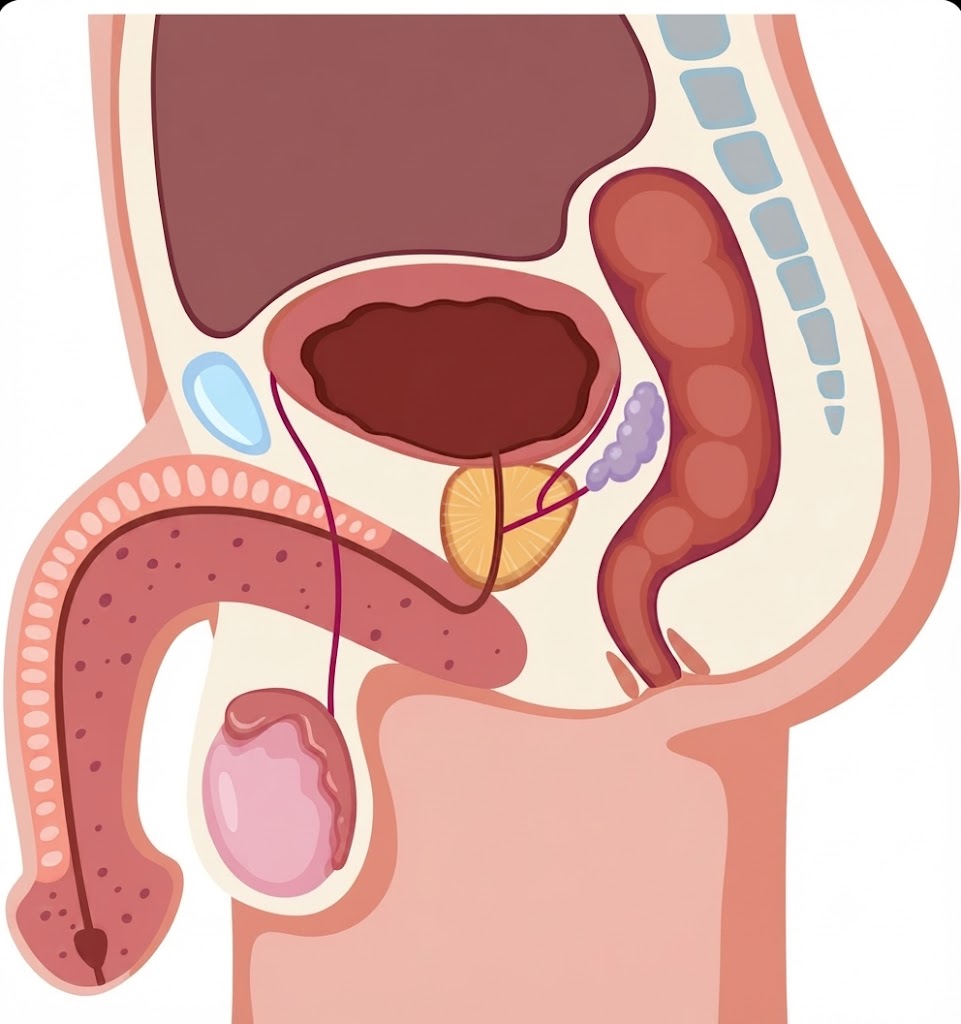
Prostate gland
Prostate problems
inflammation (prostatitis)
non-cancerous enlargement of the middle part of the prostate. This is also called benign prostatic hyperplasia (BPH)
cancer of the prostate. This occurs mostly at the back of the prostate, but sometimes also occurs in the area where the prostate is enlarged due to BPH.
Side effects of TURP
Common side effects of TURP
Common side effects after surgery include:
- Bleeding after the operation – this usually reduces over time and should stop after four weeks.
- Retrograde ejaculation – most men are able to have erections and orgasms after surgery to treat an enlarged prostate. However, they may not ejaculate because the bladder neck is removed along with prostatic tissue. This causes the ejaculate to collect with urine and pass out in the next urination.
Less common side effects of TURP
Less common unwanted effects of surgery include:
- Urinary symptoms do not change – sometimes surgery does not cure your urinary problems. Even though the blockage has been cleared, the bladder irritability may continue and you may still have symptoms such as being unable to empty your bladder completely and nocturia (passing urine more than twice during the night).
- Erectile dysfunction (impotence) – some men are unable to get or maintain an erection sufficient for sexual intercourse after surgery. This is more of a problem for men who had erectile difficulties before their operation. This problem may be treated by medication.
- Urethral strictures – when scarring occurs in and around the urinary tract, it can cause further blockage to urine flow. Strictures may need to be dilated or need further surgery.
- Urinary incontinence – sometimes surgery results in being unable to hold or control the flow of urine. This may be due to continuing bladder problems or, less often, to sphincter muscle damage.
- Infertility – retrograde ejaculation is not harmful, but it can result in infertility. It causes the seminal fluid to collect with the urine and it doesn’t come out as ejaculate. This makes ‘natural’ insemination impossible. However, in vitro fertilization (IVF) may be used to achieve a pregnancy. The sperm can be removed from the urine and injected into the woman’s harvested eggs.
Size and Blockage of the Urethra
Urinary symptoms may include:
- problems with starting urination
- reduced flow
- frequent urination, particularly at night
- urgency and possible urgency incontinence
- passing drops of urine involuntarily after you think you’ve finished
- blood in the urine – although this can never be assumed to be due to the prostate until other causes have been excluded.
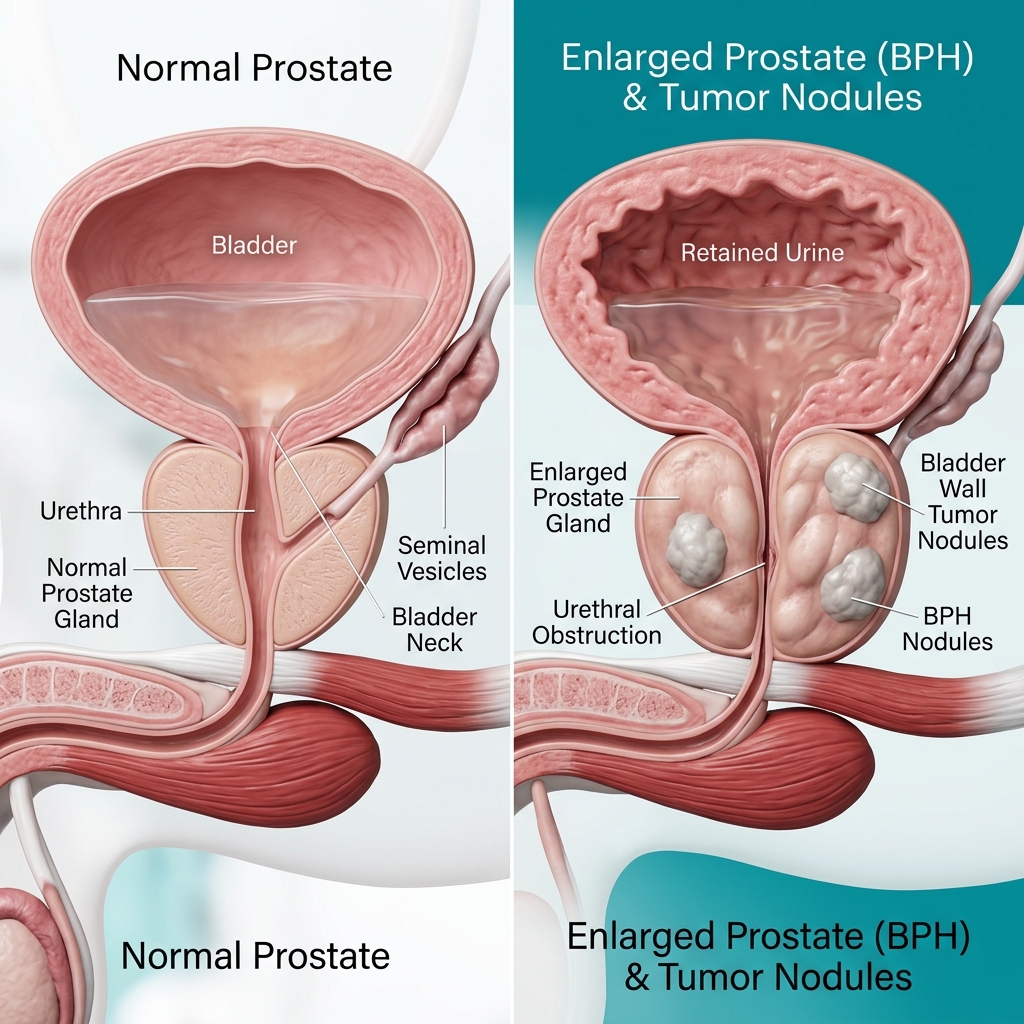
Prostate Cancer:
Prostate cancer is cancer that occurs inside the prostate — a small portion like a walnut-shaped gland in men that produces the seminal fluid that nourishes and transports sperm outside. Prostate cancer is one of the most common types of cancer in men. It is frequently slow in growing and spread slowly in the body. For many men, prostate cancer is less serious than their other medical conditions and other pain. For these reasons, and possibly because of earlier detection of low-grade prostate cancers, prostate cancer has one of the highest survival rates of any type of cancer.
Prostate Cancer: Symptoms and Signs
- Frequent urination at any time
- Weak or interrupted urine flow or the need to strain to empty the bladder
- The urge to urinate frequently at night
- Blood flows in the urine
- Blood in the seminal fluid
- New onset of erectile dysfunction
- Pain or burning at the time of urination, which is much less common
- Discomfort or pain when sitting, caused by an enlarged prostate
The best treatment for prostate cancer
Watchful Waiting or Active Surveillance for Prostate Cancer.
Surgery for Prostate Cancer.
Radiation Therapy for Prostate Cancer.
Cryotherapy for Prostate Cancer.
Hormone Therapy for Prostate Cancer.
Chemotherapy for Prostate Cancer.